[vc_row][vc_column offset=”vc_col-lg-8 vc_col-md-8″ css=”.vc_custom_1617959857072{padding-right: 45px !important;}”][vc_custom_heading stm_title_font_weight=”700″ text=”How Multidisciplinary Engineering Enhances Efficiency and Sustainability in Projects” font_container=”tag:h1|font_size:35|text_align:left|line_height:1.3″ google_fonts=”font_family:Battambang%3Aregular%2C700|font_style:400%20regular%3A400%3Anormal” css=”.vc_custom_1732260591014{margin-top: 10px !important;}”][vc_single_image image=”15382″ img_size=”full”][vc_column_text]In the modern era of construction and engineering, projects are becoming increasingly complex and interconnected. Stakeholders demand not only high-quality outputs but also efficiency, sustainability, and innovation. This is where multidisciplinary engineering becomes a game-changer. By integrating expertise from multiple engineering domains, multidisciplinary approaches offer collaborative solutions that streamline project execution, reduce environmental impacts, and enhance sustainability. [/vc_column_text][vc_custom_heading stm_title_font_weight=”700″ text=”Understanding Multidisciplinary Engineering” font_container=”tag:h2|font_size:25|text_align:left” google_fonts=”font_family:Battambang%3Aregular%2C700|font_style:400%20regular%3A400%3Anormal”][vc_column_text]Multidisciplinary engineering involves the collaboration of professionals from diverse engineering fields—such as civil, mechanical, electrical, structural, environmental, and software engineering—on a single project. Unlike traditional siloed approaches where disciplines work independently, multidisciplinary engineering emphasizes interdependence and synergy, leveraging collective expertise to address complex challenges holistically.
For example, designing a smart building requires seamless coordination among structural engineers for the framework, electrical engineers for power distribution, mechanical engineers for HVAC systems, and environmental engineers for energy efficiency. The result? A cohesive, integrated system that meets modern sustainability goals. [/vc_column_text][vc_custom_heading stm_title_font_weight=”700″ text=”The Efficiency Advantage of Multidisciplinary Engineering” font_container=”tag:h2|font_size:25|text_align:left” google_fonts=”font_family:Battambang%3Aregular%2C700|font_style:400%20regular%3A400%3Anormal”][vc_custom_heading stm_title_font_weight=”700″ text=”Streamlined Design Processes” font_container=”tag:h3|font_size:20|text_align:left” google_fonts=”font_family:Battambang%3Aregular%2C700|font_style:400%20regular%3A400%3Anormal”][vc_column_text]One of the key advantages of multidisciplinary engineering is its ability to streamline design and planning processes. Integrated teams collaborate from the project’s inception, ensuring that all aspects of the design are optimized in harmony. This eliminates redundancy, reduces errors, and saves time.
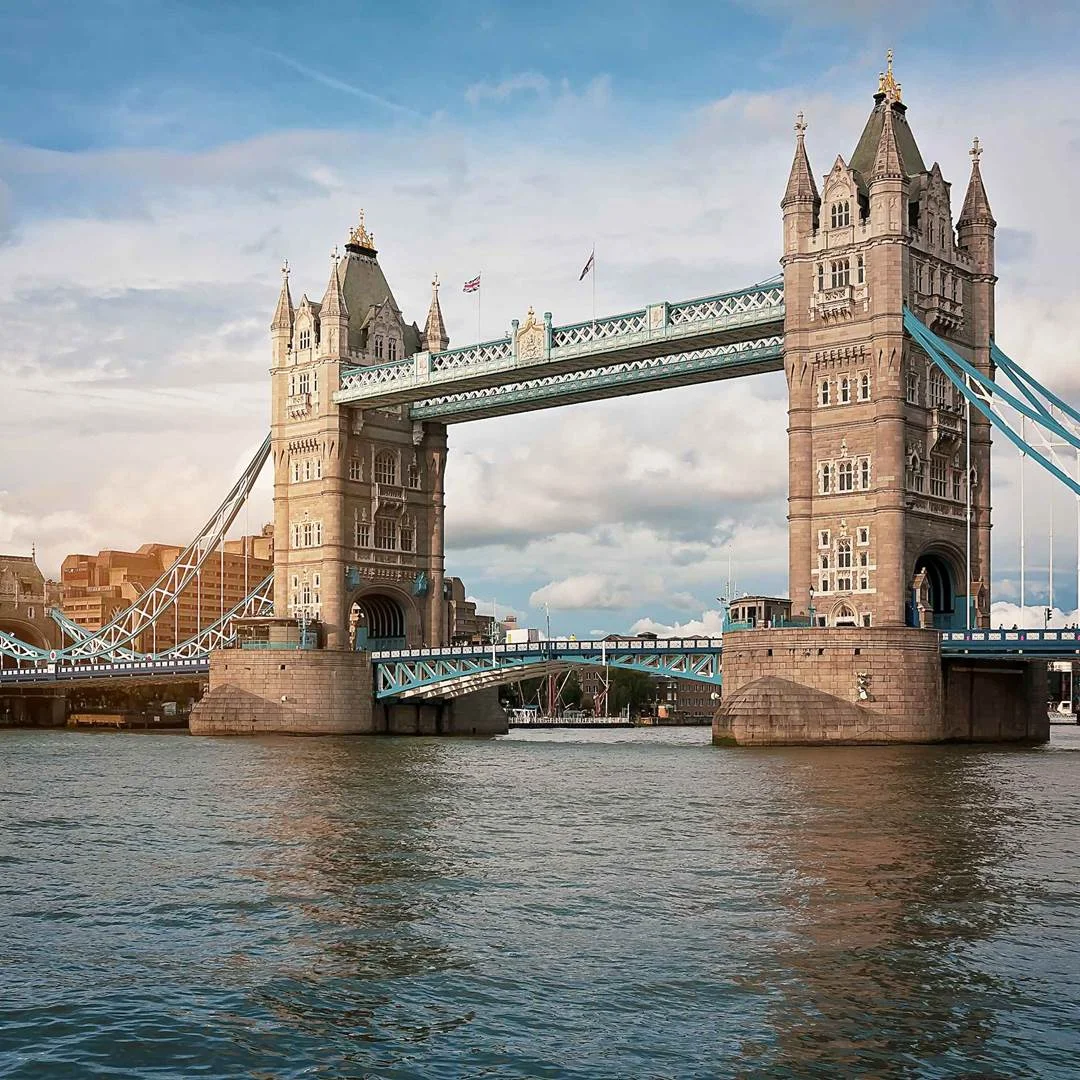
For instance, in infrastructure projects like bridges, civil engineers and mechanical engineers can work together to ensure the structure not only supports the necessary loads but also accommodates future enhancements, such as smart monitoring systems. [/vc_column_text][vc_custom_heading stm_title_font_weight=”700″ text=”Improved Decision-Making” font_container=”tag:h3|font_size:20|text_align:left” google_fonts=”font_family:Battambang%3Aregular%2C700|font_style:400%20regular%3A400%3Anormal”][vc_column_text]When engineers from different disciplines collaborate, they bring diverse perspectives to the table. This diversity enhances decision-making by identifying potential pitfalls and innovative solutions early in the design phase.
For example, when designing a wastewater treatment plant, environmental engineers might prioritize minimizing pollution, while mechanical engineers focus on maximizing equipment efficiency. Together, they create a solution that balances functionality with sustainability. [/vc_column_text][vc_custom_heading stm_title_font_weight=”700″ text=”Reduced Costs and Delays” font_container=”tag:h3|font_size:20|text_align:left” google_fonts=”font_family:Battambang%3Aregular%2C700|font_style:400%20regular%3A400%3Anormal”][vc_column_text]Multidisciplinary engineering helps identify conflicts and inefficiencies early, reducing the likelihood of costly rework during construction. Tools like Building Information Modeling (BIM) are often used in multidisciplinary projects to simulate and analyze designs in a virtual environment, identifying clashes between systems before construction begins.
By addressing potential issues early, multidisciplinary teams ensure projects stay on budget and on schedule. [/vc_column_text][vc_custom_heading stm_title_font_weight=”700″ text=”Multidisciplinary Engineering: Driving Sustainability” font_container=”tag:h2|font_size:25|text_align:left” google_fonts=”font_family:Battambang%3Aregular%2C700|font_style:400%20regular%3A400%3Anormal”][vc_column_text]As the global focus shifts toward sustainability, multidisciplinary engineering plays a pivotal role in meeting environmental goals without compromising project performance. [/vc_column_text][vc_custom_heading stm_title_font_weight=”700″ text=”Energy Efficiency in Design” font_container=”tag:h3|font_size:20|text_align:left” google_fonts=”font_family:Battambang%3Aregular%2C700|font_style:400%20regular%3A400%3Anormal”][vc_column_text]Collaborative engineering enables energy-efficient solutions to be embedded into projects from the start. For example, architects and electrical engineers can work together to maximize natural lighting in a building, reducing the reliance on artificial lighting and lowering energy consumption.
Similarly, environmental and mechanical engineers can design HVAC systems that use renewable energy sources or advanced heat recovery systems, further improving energy efficiency. [/vc_column_text][vc_custom_heading stm_title_font_weight=”700″ text=”Sustainable Material Selection” font_container=”tag:h3|font_size:20|text_align:left” google_fonts=”font_family:Battambang%3Aregular%2C700|font_style:400%20regular%3A400%3Anormal”][vc_column_text]In multidisciplinary projects, material selection is optimized through collaboration. Structural engineers, for instance, might suggest low-carbon concrete, while environmental engineers analyze its lifecycle impact. This ensures that materials used in construction align with sustainability goals while maintaining durability and functionality. [/vc_column_text][vc_custom_heading stm_title_font_weight=”700″ text=”Waste Reduction” font_container=”tag:h3|font_size:20|text_align:left” google_fonts=”font_family:Battambang%3Aregular%2C700|font_style:400%20regular%3A400%3Anormal”][vc_column_text]Multidisciplinary engineering also contributes to waste reduction. By integrating construction management, civil engineering, and environmental expertise, teams can design processes that minimize material waste during construction and enhance recyclability at the end of the structure’s life.
A notable example is prefabrication, where multidisciplinary teams design components off-site, reducing onsite waste and improving precision. [/vc_column_text][vc_custom_heading stm_title_font_weight=”700″ text=”Real-World Applications of Multidisciplinary Engineering” font_container=”tag:h2|font_size:25|text_align:left” google_fonts=”font_family:Battambang%3Aregular%2C700|font_style:400%20regular%3A400%3Anormal”][vc_custom_heading stm_title_font_weight=”700″ text=”Smart Cities” font_container=”tag:h3|font_size:20|text_align:left” google_fonts=”font_family:Battambang%3Aregular%2C700|font_style:400%20regular%3A400%3Anormal”][vc_column_text]The development of smart cities epitomizes the power of multidisciplinary engineering. These projects integrate civil, electrical, and software engineering to create interconnected systems for transportation, energy, and communication. The result is more efficient resource use, reduced emissions, and improved quality of life for residents.
For instance, a multidisciplinary approach was instrumental in developing Songdo, South Korea—a smart city that uses advanced sensors and IoT technologies to optimize energy consumption and waste management. [/vc_column_text][vc_custom_heading stm_title_font_weight=”700″ text=”Renewable Energy Projects” font_container=”tag:h3|font_size:20|text_align:left” google_fonts=”font_family:Battambang%3Aregular%2C700|font_style:400%20regular%3A400%3Anormal”][vc_column_text]Renewable energy projects, such as solar farms and wind turbines, require expertise across disciplines. Electrical engineers design the power systems, mechanical engineers ensure structural integrity, and environmental engineers assess the impact on local ecosystems. Together, they create solutions that are both efficient and environmentally responsible. [/vc_column_text][vc_custom_heading stm_title_font_weight=”700″ text=”Sustainable Urban Infrastructure” font_container=”tag:h3|font_size:20|text_align:left” google_fonts=”font_family:Battambang%3Aregular%2C700|font_style:400%20regular%3A400%3Anormal”][vc_column_text]Urban infrastructure projects, such as eco-friendly transportation systems, also benefit from multidisciplinary engineering. For example, building a metro system involves civil engineers for tunneling, electrical engineers for power systems, and environmental engineers for assessing air quality impacts. [/vc_column_text][vc_custom_heading stm_title_font_weight=”700″ text=”Challenges and Solutions in Multidisciplinary Engineering” font_container=”tag:h2|font_size:25|text_align:left” google_fonts=”font_family:Battambang%3Aregular%2C700|font_style:400%20regular%3A400%3Anormal”][vc_custom_heading stm_title_font_weight=”700″ text=”Challenges” font_container=”tag:h3|font_size:20|text_align:left” google_fonts=”font_family:Battambang%3Aregular%2C700|font_style:400%20regular%3A400%3Anormal”][vc_column_text]
- Centralized Project Management: Using tools like BIM and project management software ensures that all disciplines remain aligned.
- Collaborative Platforms: Cloud-based collaboration tools enable real-time communication and data sharing among team members.
- Ongoing Training: Cross-disciplinary training helps engineers understand the basics of other fields, improving collaboration.
[/vc_column_text][vc_custom_heading stm_title_font_weight=”700″ text=”Solutions” font_container=”tag:h3|font_size:20|text_align:left” google_fonts=”font_family:Battambang%3Aregular%2C700|font_style:400%20regular%3A400%3Anormal”][vc_column_text]
- Coordination Complexity: Integrating multiple disciplines can lead to communication challenges and delays if not managed effectively.
- Conflicting Priorities: Different engineering disciplines may prioritize conflicting goals, such as cost vs. sustainability.
- Technology Gaps: Teams may face challenges in integrating diverse technologies and tools.
[/vc_column_text][vc_custom_heading stm_title_font_weight=”700″ text=”The Future of Multidisciplinary Engineering” font_container=”tag:h2|font_size:25|text_align:left” google_fonts=”font_family:Battambang%3Aregular%2C700|font_style:400%20regular%3A400%3Anormal”][vc_column_text]The demand for multidisciplinary engineering is only set to grow. With increasing global emphasis on sustainability and efficiency, engineering projects will need to become more integrated and innovative. Emerging technologies such as AI, IoT, and advanced simulation tools will further enhance the capabilities of multidisciplinary teams, enabling them to tackle even more complex challenges.
By fostering collaboration across disciplines, organizations can deliver projects that meet modern demands for efficiency, sustainability, and innovation. Whether it’s constructing a net-zero building, developing a renewable energy plant, or building resilient urban infrastructure, the power of multidisciplinary engineering is undeniable. [/vc_column_text][vc_custom_heading stm_title_font_weight=”700″ text=”Conclusion:” font_container=”tag:h2|font_size:25|text_align:left” google_fonts=”font_family:Battambang%3Aregular%2C700|font_style:400%20regular%3A400%3Anormal”][vc_column_text]Multidisciplinary engineering is transforming the way projects are planned and executed. By fostering collaboration across various engineering disciplines, it enhances efficiency, reduces costs, and drives sustainability. In an era where innovation and environmental responsibility are paramount, adopting a multidisciplinary approach is no longer optional—it is essential for success.
By embracing this holistic framework, organizations can create smarter, more sustainable projects that not only meet today’s needs but also pave the way for a better future. [/vc_column_text][vc_tta_accordion][vc_tta_section title=”What is the meaning of multidisciplinary engineering?” tab_id=”1730109935347-05fe3d73-19ca”][vc_column_text]Multidisciplinary engineering involves the integration of expertise from multiple engineering disciplines to collaboratively address complex challenges, ensuring efficient, innovative, and sustainable solutions. It emphasizes teamwork and synergy among fields like civil, mechanical, electrical, and environmental engineering for holistic project success.[/vc_column_text][/vc_tta_section][vc_tta_section title=”What is a multi-discipline engineer?” tab_id=”1730109935390-cfa928ab-ace6″][vc_column_text]A multi-discipline engineer possesses expertise across multiple engineering fields, such as mechanical, civil, and electrical. They collaborate effectively on complex projects, integrating diverse knowledge to design innovative, efficient, and sustainable solutions for modern engineering challenges.[/vc_column_text][/vc_tta_section][vc_tta_section title=”What is an interdisciplinary engineer?” tab_id=”1730110682493-e2d33146-46f0″][vc_column_text]An interdisciplinary engineer combines knowledge from multiple engineering disciplines to solve complex problems. They work across fields like mechanical, civil, electrical, or environmental engineering, fostering collaboration to design efficient, innovative, and sustainable solutions for diverse projects and industries.[/vc_column_text][/vc_tta_section][vc_tta_section title=”What is the multi disciplinary character of sustainable development?” tab_id=”1732175049811-e52e2ba9-05cb”][vc_column_text]The multidisciplinary character of sustainable development integrates diverse fields like environmental science, economics, engineering, and social sciences. It ensures balanced progress by addressing ecological preservation, economic growth, and social equity, fostering holistic solutions to complex global challenges for long-term sustainability.[/vc_column_text][/vc_tta_section][/vc_tta_accordion][vc_column_text]Follow Milestone PLM Solutions for Mechanical Industry Updates, CAD Tips and Global Mechanical News.
Milestone PLM Solutions with its exclusive delivery center in India is a global CAD, CAM & FEA services outsourcing partner serving the needs of the Mechanical, Millwork and Automotive industry since 2004. MILESTONE focuses on the unique needs of clients and believes in tackling real-life problems with efficiency, smooth and ease.
The MILESTONE team can assist you with Product Design, 3d Modeling, Drafting & detailing, Reverse Engineering, FEA Analysis and more. We support multiple software including AutoCAD, SolidWorks, Catia, NX, Inventor, Solidedge & Ansys etc. Our approach is to provide a dedicated team for each customer over ongoing project and deliver the quality output consistently.
With our state of art technology and large talent pool of Engineers, we are developing best in class solutions for our customers across the globe. We align with your culture and values to form unbreakable partnerships and are primed for success with over 100 employees and 150 customers in the US, Europe, India, and Asia.
You can email us at info@milestonetech.net and can log in to our website www. milestonetech.net to know more about our services and our work portfolio or contact us on +1-844-598-0005[/vc_column_text][/vc_column][vc_column width=”1/4″ offset=”vc_hidden-sm vc_hidden-xs”][stm_sidebar sidebar=”527″][/vc_column][/vc_row][vc_row][vc_column][vc_column_text]MIT[/vc_column_text][/vc_column][/vc_row]